
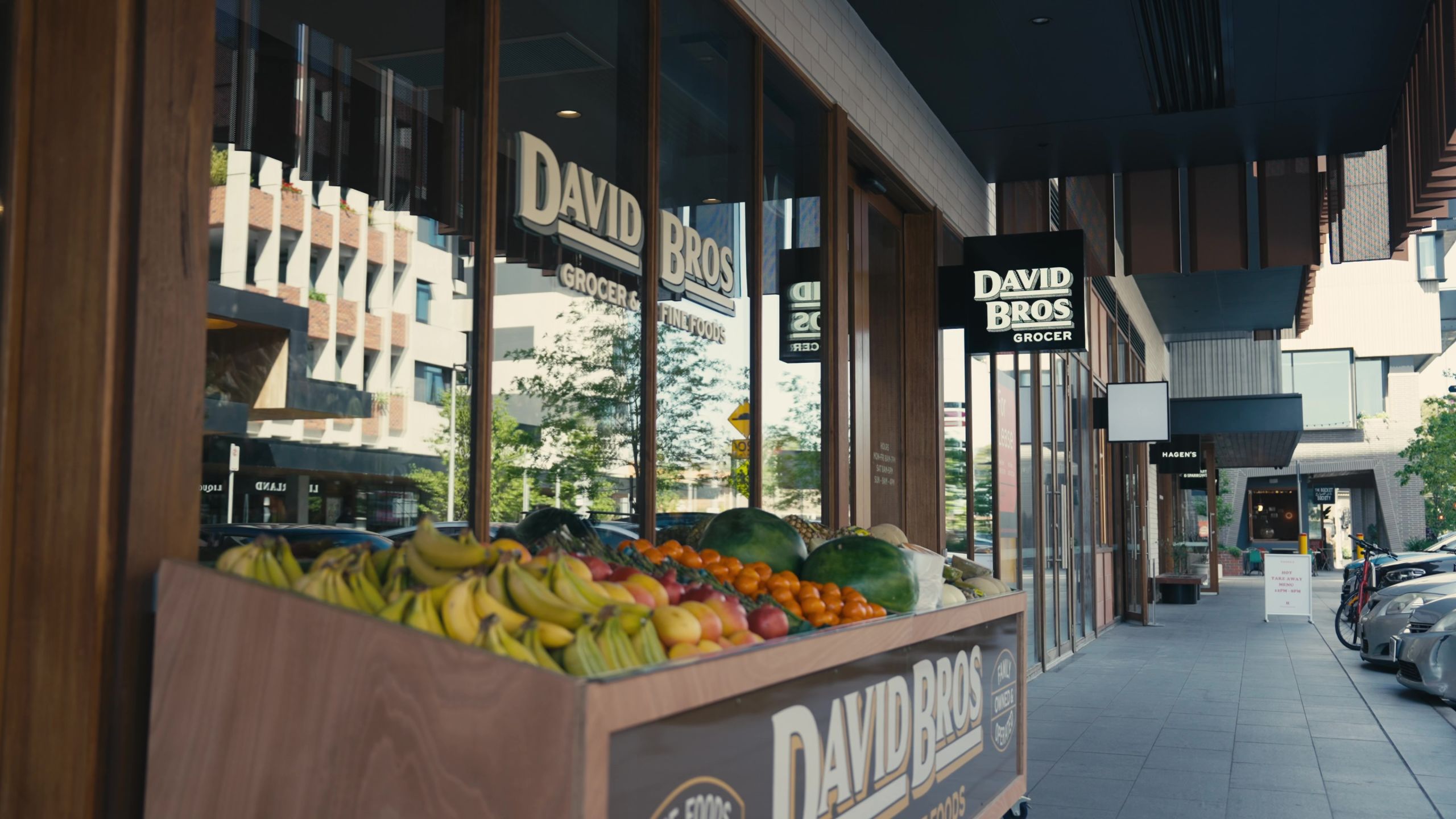
A 20 minute neighbourhood is a place where you can meet most of your daily needs within a 20 minute walk of home, and get back again. Groceries, coffee, a doctor, a chemist, somewhere to exercise, a park, public transport. Not a drive. A walk.
The term comes from Plan Melbourne, the Victorian Government’s long term planning strategy. It sounds simple. Building one is not.
Why Melbourne is trying to build them
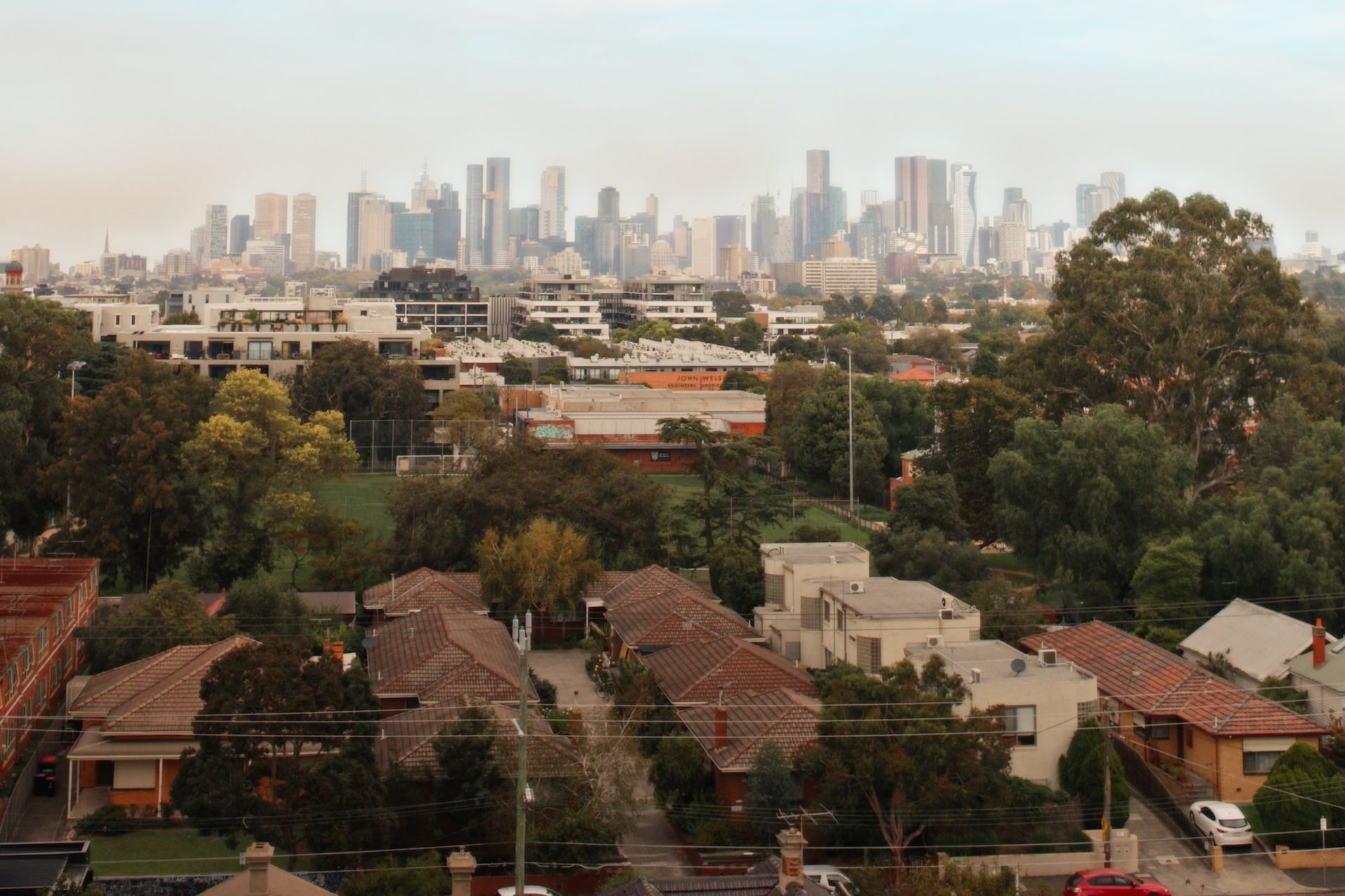
Most of Melbourne was built around the car. Suburbs went out, shops clustered on arterial roads, and getting a loaf of bread became a fifteen minute round trip in traffic.
The 20 minute neighbourhood is the correction. Put housing, retail, health services, open space and transport close enough together that walking becomes the obvious choice rather than the virtuous one.
The benefits are well documented. Less time in the car, lower transport costs, better air quality, and more incidental contact with the people who live around you. That last one matters more than it sounds.
The test is 800 metres, not 20 minutes
Twenty minutes is the headline, but planners generally work to a radius of around 800 metres, which is what most people will comfortably walk in ten minutes each way.
So when you are assessing whether somewhere is genuinely a 20 minute neighbourhood, the question is not whether a supermarket exists somewhere in the postcode. It is whether it sits inside that 800 metre circle, along with everything else you use in a normal week.
Run the list against a specific address:
- Supermarket or grocer
- Cafe
- Pharmacy
- GP or medical centre
- Somewhere to exercise
- A park or open green space
- A tram, train or bus that gets you to work
- Primary school, if that applies to you
If you are driving to more than one or two of those, it is a walkable street rather than a walkable neighbourhood.
Designing the spaces in between
Here is where most of these projects come unstuck. You can put all the right uses within 800 metres and still end up with somewhere nobody walks, because walking is not only about distance. It is about whether the walk is any good.
We asked Chris Manton, Director of JAM Architects, who has worked on East Brunswick Village since 2016, what that means in practice.
“It’s not just about the buildings themselves, it’s about the spaces in between. It’s about the town square, it’s about the laneways.”
Two things came out of that conversation that are worth borrowing if you are assessing a neighbourhood yourself.
The mix has to be deliberate. A 20 minute neighbourhood does not happen because a developer left some ground floor retail empty and hoped. As Chris put it, it was “a careful curation of the types of retail, the types of food, the types of hospitality, the types of places you can be here, and having everything close by. So everything you want actually exists within the village. So really, you actually don’t need to leave.”
Curation is the operative word. Five cafes and no chemist is not a neighbourhood, it is a strip.
The scale has to be right. This is the part almost nobody talks about. On the laneways at EBV, Chris described them as “quite deliberately scaled” so “you don’t feel like you’re walking through some wind swept cavernous space. They’re quite deliberately scaled to a human scale to feel like you’re at home, you feel comfortable.”
You have felt the opposite version of this. Wide, windy, overshadowed, nothing at eye level. Technically walkable, and nobody walks it.
What to look for when you are house hunting
If walkability matters to you, a few practical things to check before you commit.
Walk the route, do not measure it. Google will tell you a supermarket is 700 metres away. It will not tell you that the walk involves crossing an arterial road at a crossing that takes two light cycles.
Go at different times. A laneway that works at 11am on a Saturday can be dead and unlit at 7pm on a Tuesday. Both matter.
Check what is open, not what is planned. Renders show cafes. Ask which tenancies are actually trading and which are leased but empty. There is a big difference between a neighbourhood and a neighbourhood on a masterplan.
Look up the Walk Score. It is a third party measure out of 100 based on distance to amenities, and it is a useful sanity check on marketing claims. Anything above 70 is doing well. Do the same for Transit Score.
Count the green space. Twenty minute neighbourhoods fail when density arrives without open space. Ask what is communal, who has access to it, and whether it is genuinely usable or a landscaped setback nobody sits in.
What it looks like when it works
East Brunswick Village was built to this model deliberately, on the site of the former Sidney Cooke Fasteners works in Brunswick East, six kilometres from the CBD.
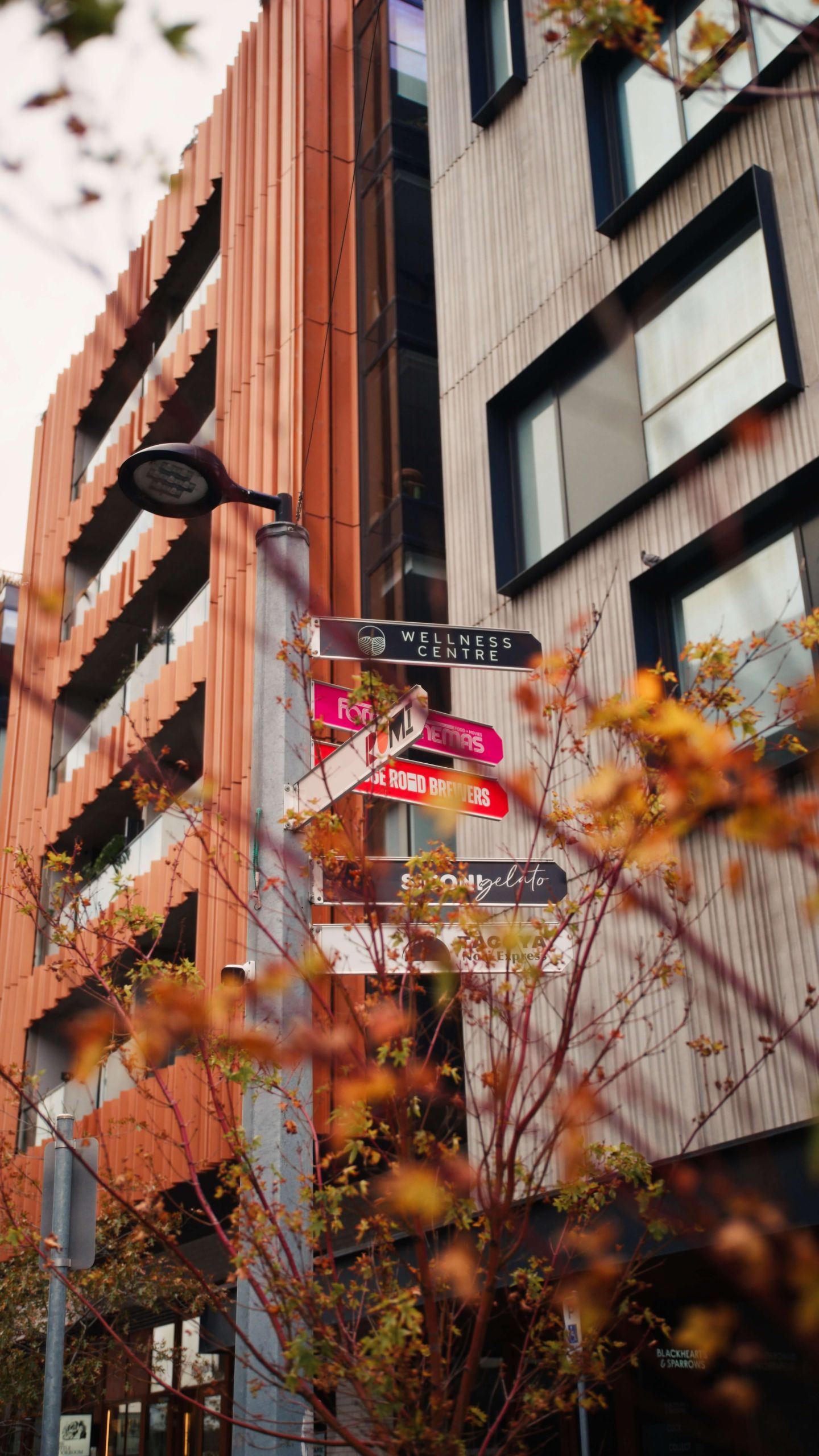
Within the Village itself there is a supermarket, cafes, a bakery, a butcher, a pharmacy, a cinema, restaurants and a brewery. Trams run at the end of the street. Merri Creek and CERES are a short walk east.
Health is the part most walkable precincts get wrong, so it is worth being specific about what is actually here.
The Wellness Centre sits on Level 1 of 6 Bluestone Way, up the lift opposite FOMO Cinemas. Inside it you will find:
- Inner North Medical, Bluestone Way Clinic
A full general practice with GPs, allied health practitioners, podiatry, women’s health and family medicine, plus short, standard and extended appointment lengths.
- F2 Collective
Reformer, mat, warm mat and suspension Pilates, open seven days.
- Cathy Dowden
Alexander Technique, working with residents on posture, movement and pain.
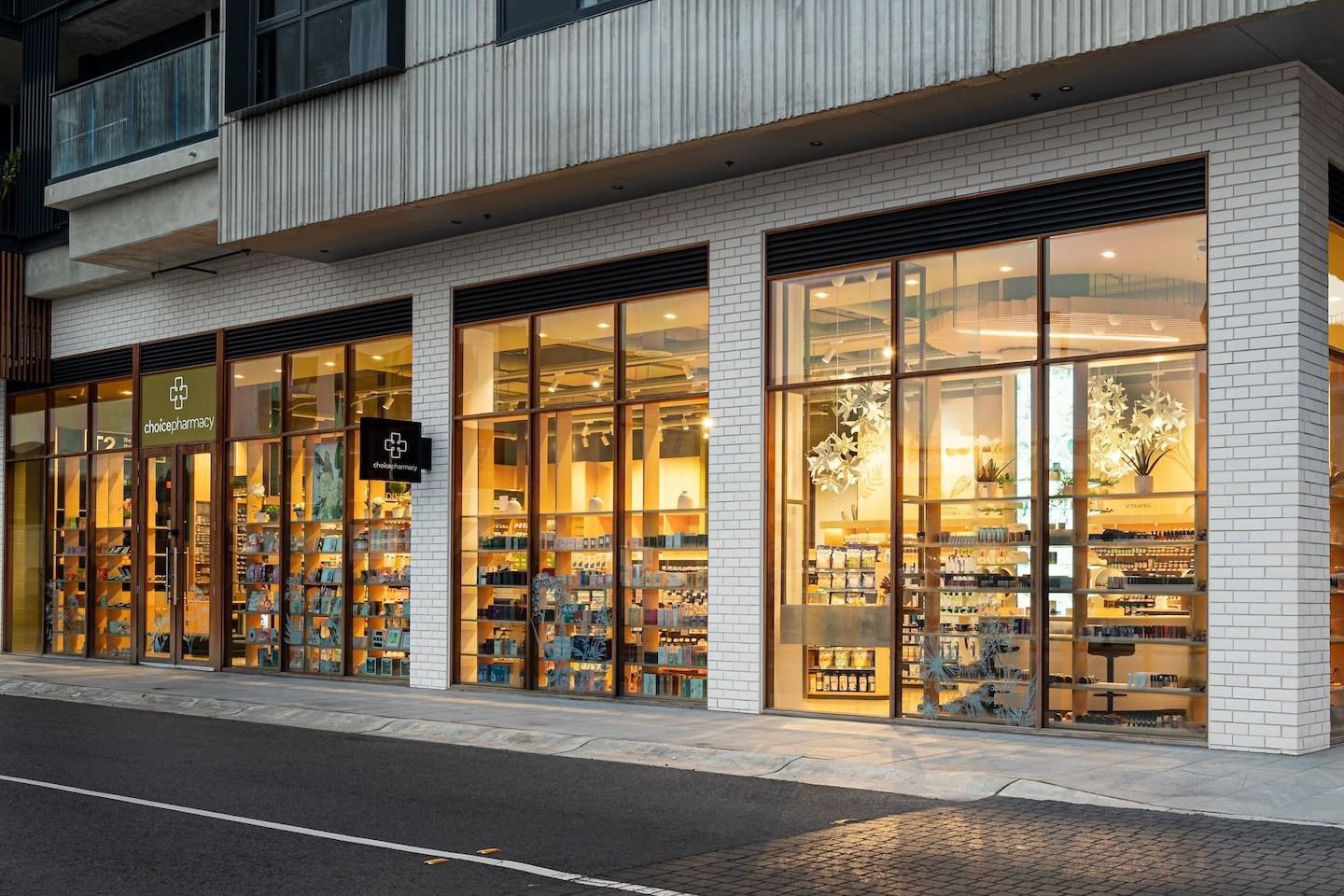
Elsewhere in the Village there is Choice Pharmacy, which handles both everyday scripts and compounding, and Project Better, a full gym on Bluestone Way.
That is a doctor, a chemist, a gym and two movement practitioners without crossing a road. For anyone managing a regular appointment, or getting older, or just tired of driving to the chemist, that is the part of the 20 minute neighbourhood idea that actually changes your week.
Independently assessed, the site scores 87 for walkability, rated Very Walkable, and 73 for transit, rated Excellent Transit.
The landscaping was a driver from the start, and unusually, all residents have access to all of it. Chris described the rooftops, podiums and street level planting as “quite unique in terms of the way we’ve delivered it. All residents have access to all of the rooftops, all of the green spaces, and all of the open space, which is quite unusual.”
More than 2,300 square metres of it, woven through the precinct rather than fenced off building by building.
Who this way of living suits
It tends to suit people who are tired of the maintenance and the driving. Downsizers moving out of a family home who want their week to get simpler. Households cutting back to one car, or none. People who work from home and want somewhere to go at lunchtime that is not their kitchen.
If that sounds like where you are heading, our guide to downsizing from a house to an apartment covers the practical side of the move.
See a 20 minute neighbourhood for yourself
The honest test of any of this is a Saturday morning. Park the car, leave it there, and see how far you actually need to go.
Elm Grove is our newest address at East Brunswick Village, on the northern edge of the Village with its own street address. It is complete, with apartments ready to move into now.
Come and walk the Village. Register your interest and we will show you around.
Register your interest in Elm Grove
